"We Feel More Confident Now": A Conversation from the 3rd SOS-Water Stakeholder Workshop in Vietnam
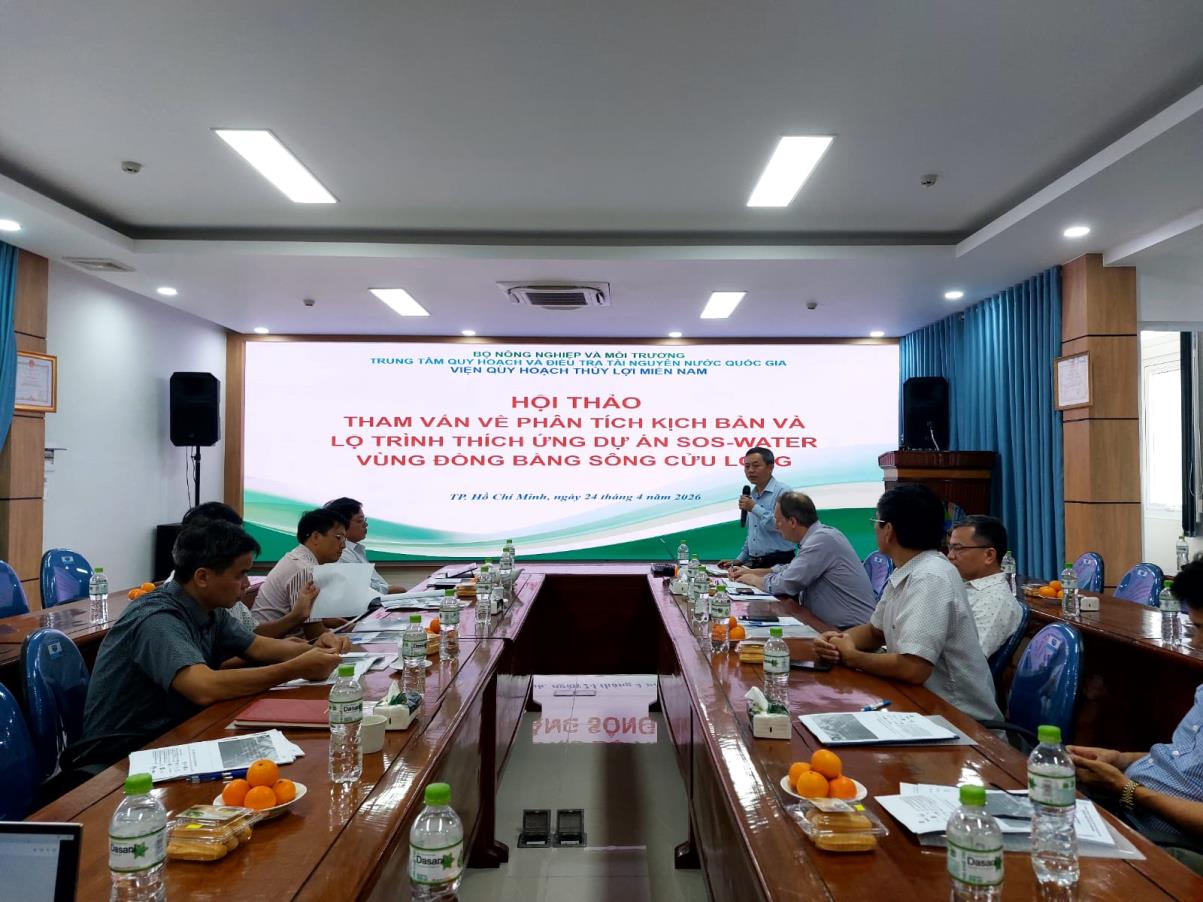
On 24 April 2026 in Ho Chi Minh City, the SOS-Water project hosted its 3rd Stakeholder Workshop, bringing together experts and decision-makers to explore solutions for water challenges in the Mekong Delta.
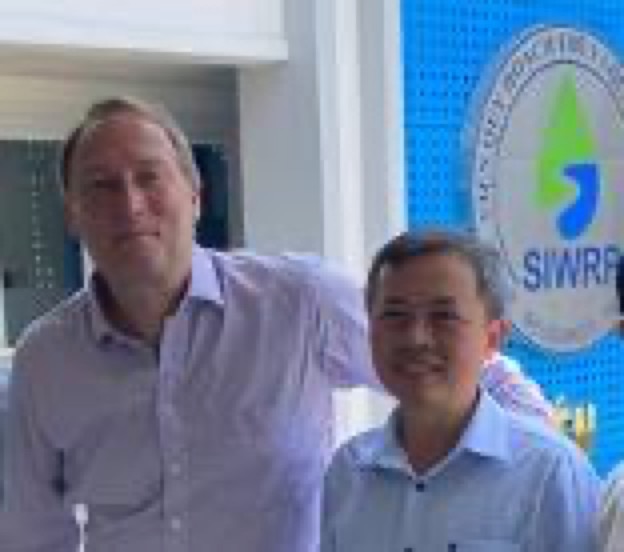
Following the event, Mikael Muegge (EUTEMA Research) sat down with Dang Thanh Lam, PhD in Hydrology and Water Resources Engineering, and Director of the Southern Institute for Water Resources Planning (SIWRP) — a key local partner — to reflect on what made this workshop different, and why it matters.
From Foundations to Results
Mikael: This was your third stakeholder workshop. What felt different compared to the previous ones?
Lam:
Today, we feel more confident with our efforts. We now have strong communication between our institute, our experts, and the stakeholders.
He explains that the first workshops were focused on building the foundation — defining indicators and thresholds. But now, the project has moved forward:
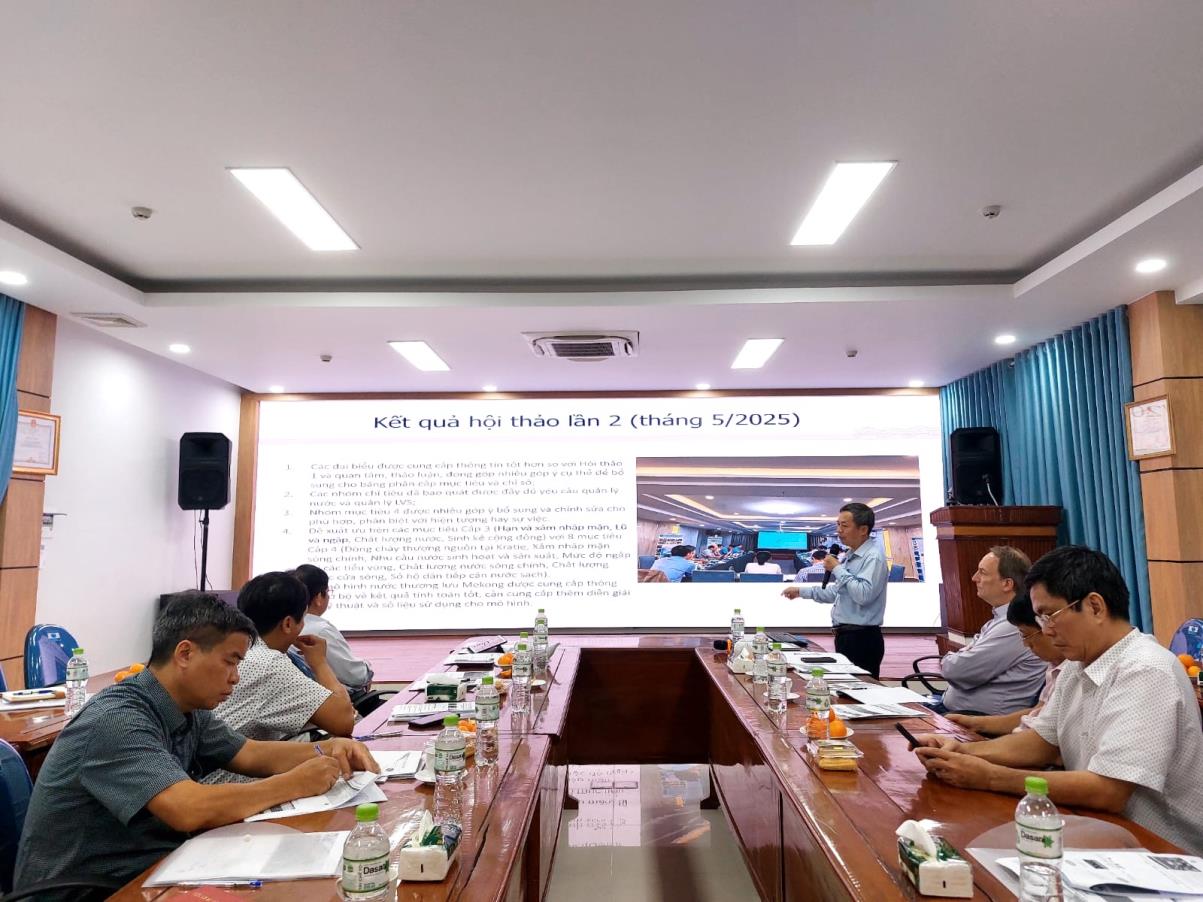
We already identified the indicators and thresholds. Now we have assessment results and scenario simulations. We can share concrete results from the case study.
This shift — from defining concepts to presenting simulation results and assessments — was clearly visible throughout the workshop. It also reflects the broader ambition of SOS-Water: to move toward operational, evidence-based solutions.
Why Stakeholders Are Essential
Mikael: Why is stakeholder involvement so important in this process?
Lam:
Stakeholder participation is very important from the beginning. We need a multi-dimensional assessment, and that requires experts from many sectors.
He emphasises that water management in the Mekong Delta cannot be addressed from a single perspective. Instead, it requires:
- Knowledge from different sectors
- Experience from local experts
- Contributions to shape objectives and evaluation
We need their experience to develop objective hierarchies and evaluate knowledge.
But the exchange goes both ways.
We also transfer our methodology, our technology, and our information to stakeholders.
This reflects the participatory approach at the heart of SOS-Water — where stakeholders are not just consulted, but actively involved in shaping outcomes.
Tackling Complex Water Challenges in the Mekong Delta
Mikael: How does SOS-Water help address the water challenges in this region?
Lam:
The Mekong Delta faces many challenges. We need support from global knowledge and advanced tools.
He highlights how SOS-Water contributes through:
- Models and simulations
- Observation data
- Integrated monitoring systems
These tools are essential to address urgent issues such as:
- Floods
- Drought
- Salinity intrusion
But the project also looks beyond immediate risks:
We also address sediment management and biodiversity improvement in the Mekong Delta.
This aligns with the project's systemic approach — considering environmental, social, and economic dimensions together rather than in isolation.
What Did Participants Take Away?
Mikael: What do you hope participants gained from today's workshop?
Lam:
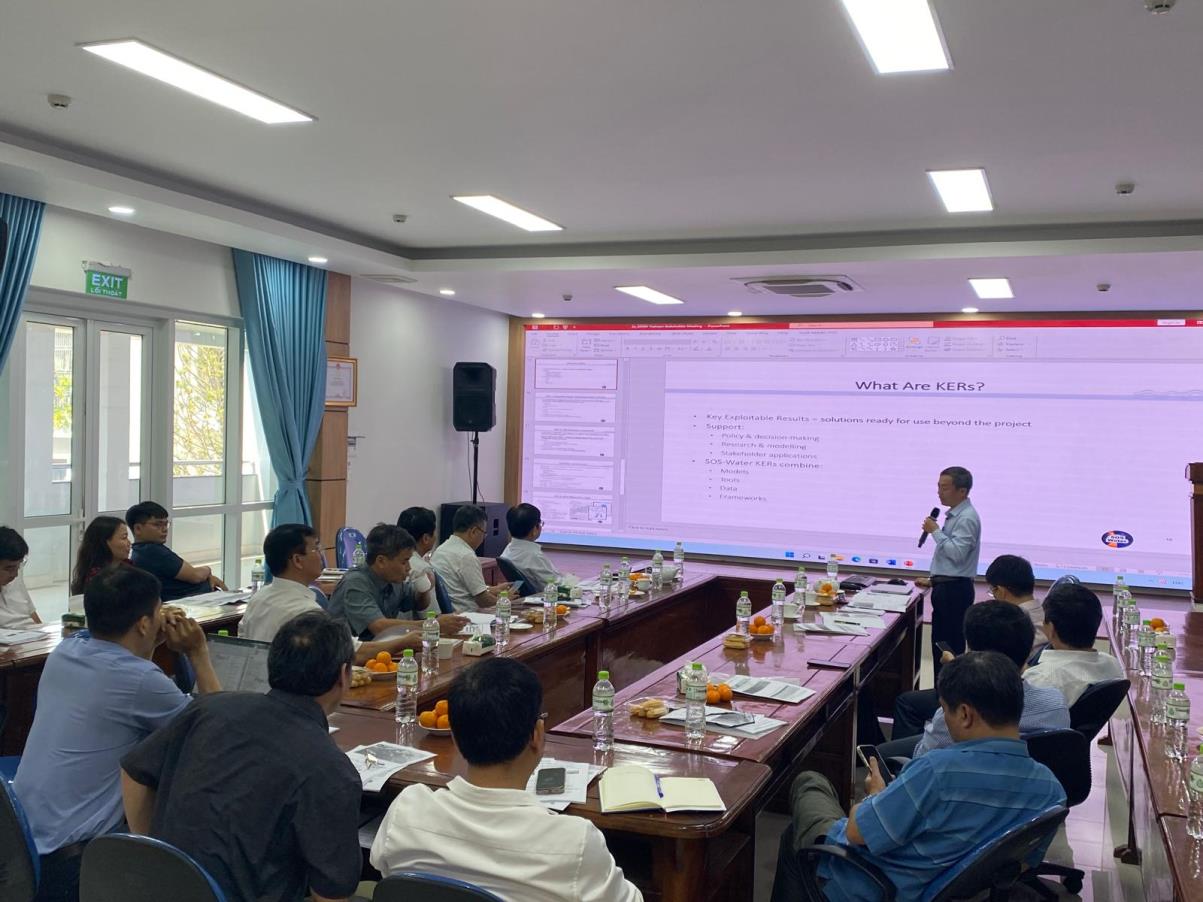
I think they now have a very good impression of the SOS-Water study. They are very interested in the results.
Participants not only engaged with the findings, but also showed clear expectations:
They expect to use the technology and improve water assessment and management in Vietnam.
This includes:
- Basin-wide water planning
- Water security solutions
- Practical applications of SOS-Water tools
In other words, the workshop moved beyond awareness — it created interest in implementation.
Looking Ahead: From Project to Policy
Mikael: What impact would you like this project to have in the long term?
Lam:
I expect SOS-Water technology to strongly improve practical water management in the Mekong Delta.
But the ambition goes even further:
We want to transform this technology into policy and planning in Vietnam.
This means:
- Supporting policy-makers
- Informing renovation and development planning
- Enabling sustainable investment and climate adaptation
Ultimately, the goal is to reduce risks and support long-term economic development under climate change.
A Turning Point for SOS-Water
The conversation with Lam highlights a clear message:
The third stakeholder workshop was not just another meeting — it was a turning point.
- From defining indicators → to sharing results
- From engaging stakeholders → to building trust
- From research → to real-world application
As SOS-Water continues, the focus will remain on translating knowledge into action — ensuring that scientific insights lead to meaningful change where it matters most.
Today, we feel more confident with our efforts. We now have strong communication between our institute, our experts, and the stakeholders. — Dang Thanh Lam, SIWRP